2026 Top Plasma Cut Machine Innovations and Trends to Watch Out For?
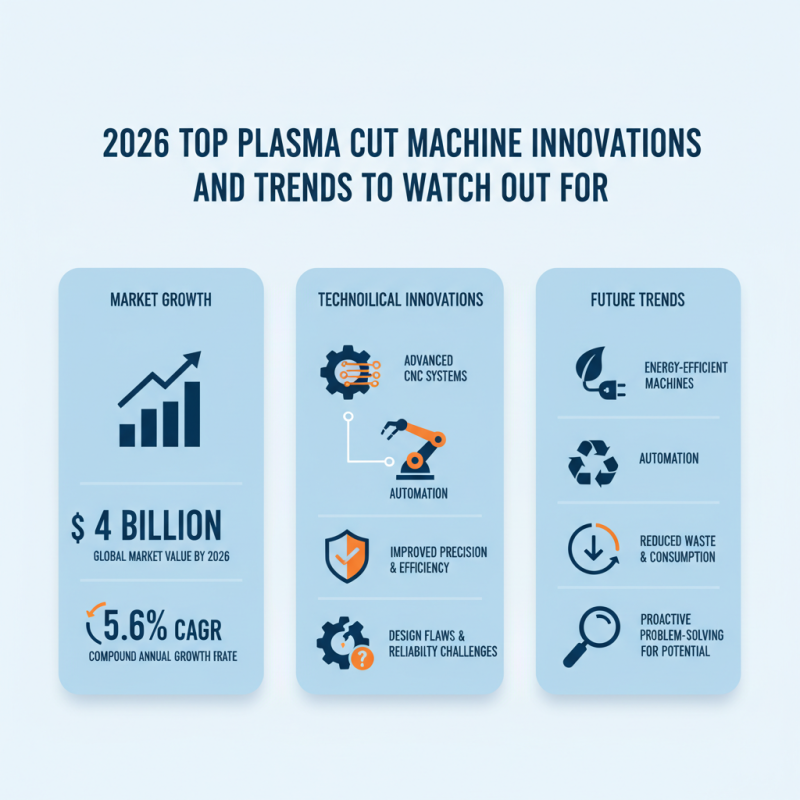
As industries continue to advance, the importance of plasma cut machines is becoming increasingly evident. According to a recent industry report, the global plasma cutting market is expected to reach a value of $4 billion by 2026, with a compound annual growth rate of 5.6%. This growth is driven by rising demand in manufacturing and metal fabrication sectors.
In 2026, innovations in plasma cut machines stand out. Technologies like advanced CNC systems and automation are likely to improve precision and efficiency. However, not all machines are created equal, and flaws in design can hinder performance. Maintaining reliability remains a significant challenge in the industry.
Market trends also emphasize the need for energy-efficient plasma cut machines. Manufacturers strive to reduce waste and energy consumption. Even small advancements can yield substantial benefits. Companies must remain vigilant and proactively address limitations in existing technologies to harness future potential.
Emerging Technologies in Plasma Cutting Machines for 2026
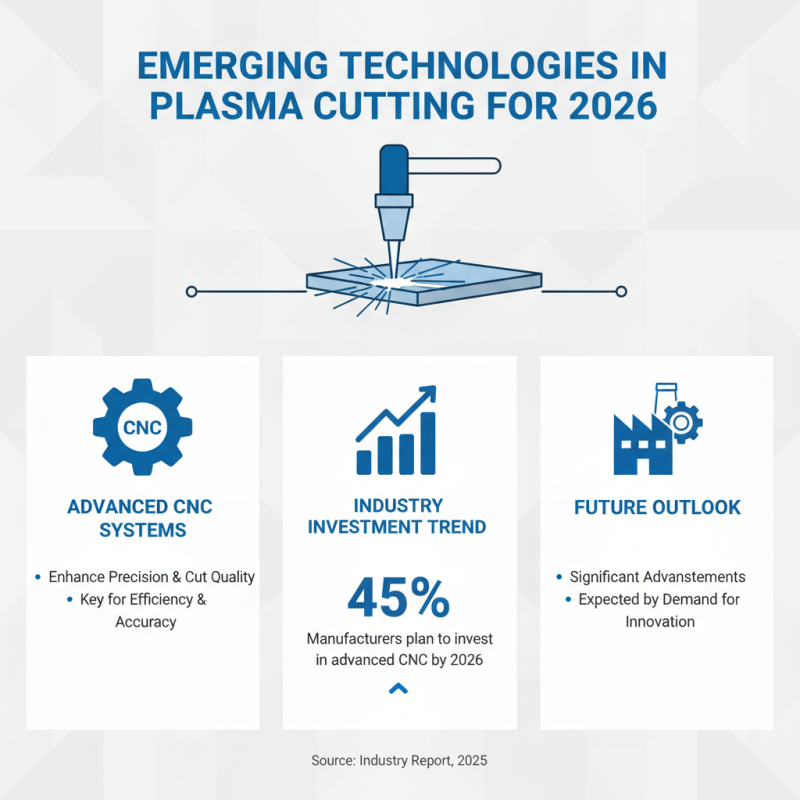
The plasma cutting industry is set for significant advancements in 2026. Technologies such as advanced CNC systems are becoming more prevalent. These systems enhance precision, leading to improved cutting quality. According to a recent industry report, 45% of manufacturers plan to invest in cutting-edge CNC technology by next year. This trend highlights the demand for efficiency and accuracy.
Another promising development is the integration of artificial intelligence (AI) into plasma cutting machines. AI can analyze cutting patterns and adjust settings in real-time, optimizing workload. Experts estimate that this could increase operational efficiency by up to 30%. However, the challenge lies in properly training these AI systems. Misconfigurations could lead to more errors rather than solutions, emphasizing the importance of skilled operators.
Lastly, the push towards sustainability in plasma cutting is gaining momentum. More companies are exploring eco-friendly power sources to operate their machines. Reports suggest that the shift to green technologies could reduce the carbon footprint of cutting operations by over 25%. Yet, the transition may not be seamless. Companies will likely face hurdles in adapting existing platforms to embrace these innovations.
Advancements in Automated Plasma Cutters and Their Benefits
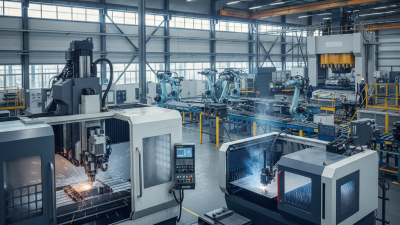
The field of automated plasma cutting technology is evolving rapidly. Innovations are transforming how industries approach metal fabrication. These advancements often focus on precision and efficiency. Newer machines are equipped with enhanced cutting speeds and improved designs for better energy consumption.
Automated plasma cutters now often feature advanced software systems. These enable seamless integration with design applications. Users find it easier to create complex shapes and patterns. However, this shift toward automation comes with challenges. Operators may require new training to handle sophisticated systems. The learning curve can be steep in some cases.
Quality control is another critical area impacted by these advancements. Many automated cutters provide real-time feedback during operations. This helps maintain consistent performance. Yet, not all systems are foolproof. Occasionally, minor glitches can disrupt processes. Users must stay vigilant and adaptive to these evolving technologies. The potential benefits are profound, but so are the lessons learned from each innovation.
2026 Top Plasma Cut Machine Innovations and Trends to Watch Out For
| Innovation/Trend |
Description |
Benefits |
Expected Impact |
| AI Integration |
Use of artificial intelligence for precise cutting paths. |
Increased accuracy and reduced material waste. |
Higher productivity in manufacturing. |
| Portable Plasma Cutters |
Compact and lightweight models for on-site jobs. |
Versatility and ease of use in various environments. |
Expansion of service capabilities. |
| Advanced Cooling Systems |
Enhanced cooling technology for longer operation periods. |
Reduced downtime due to overheating. |
Maintained production pace during lengthy tasks. |
| Smart Control Interfaces |
Touchscreen controls with user-friendly navigation. |
Simplified operation and easier adjustments. |
Increased operator efficiency and training speed. |
| Environmental Sustainability |
Design innovations focused on reducing emissions. |
Minimized environmental impact during operation. |
Better compliance with regulations and corporate responsibility. |
Impact of AI and Machine Learning on Plasma Cutting Efficiency
The landscape of plasma cutting is evolving rapidly, largely due to advancements in artificial intelligence and machine learning. These technologies are set to enhance cutting efficiency significantly. Reports indicate that AI integration can improve operational efficiency by up to 30%. This optimization is achieved through predictive maintenance and real-time monitoring. Smart systems can analyze equipment performance data, allowing for timely repairs before costly breakdowns occur.
Machine learning algorithms also facilitate better decision-making in the plasma cutting process. They can analyze historical data to refine cutting parameters, adjusting speeds and power settings for optimal results. Manufacturers implementing these technologies report a reduction in material waste by as much as 20%. Such improvements not only save costs but also align with sustainability goals.
However, challenges remain. Not all organizations are equipped to integrate AI effectively. Implementing these systems requires a skilled workforce and substantial upfront investment. As the industry progresses, it’s crucial to reflect on the balance between automation and human expertise. The future holds potential, but critical thinking and adaptability will be necessary to harness it fully.
Market Trends: Growth of the Plasma Cutting Industry by 2026
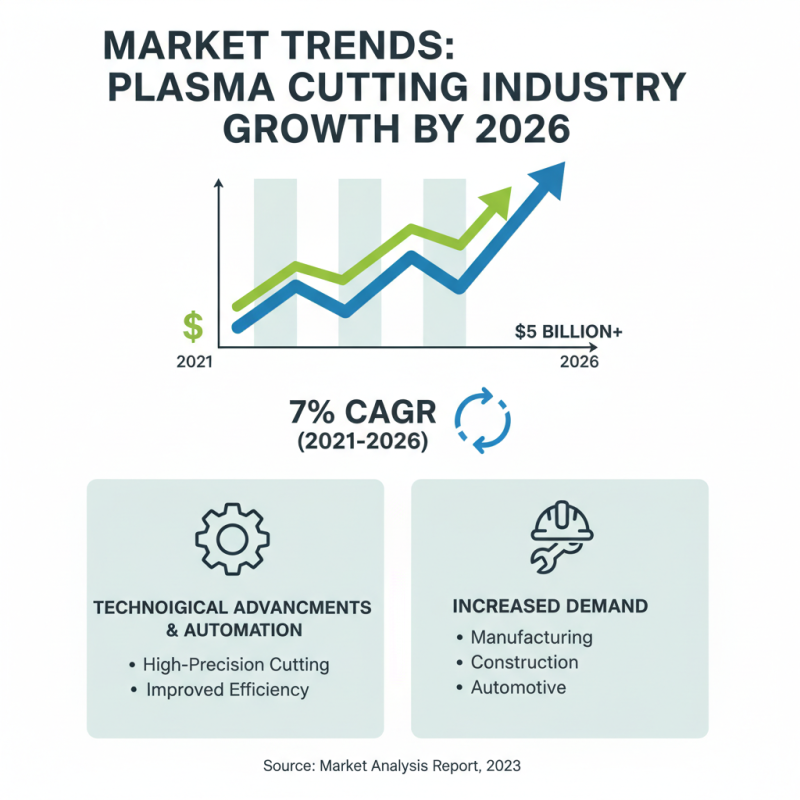
The plasma cutting industry is experiencing significant growth, driven by advancements in technology and increased demand across various sectors. According to a recent market analysis report, the global plasma cutting market is projected to reach a value of over $5 billion by 2026. This reflects a compound annual growth rate (CAGR) of approximately 7% from 2021. The rise is mainly due to automation and the adoption of high-precision cutting in industries like manufacturing and construction.
One trend to watch is the integration of smart technology in plasma cutting machines. Automation enhances efficiency, yet it raises concerns about job displacement. Workers may need to adapt to new roles in oversight and machine maintenance. It's crucial for companies to provide retraining programs. The industry's reliance on skilled workers remains strong.
Tip: Invest in training programs that enhance employee skills in using new plasma cutting technologies. This will prepare the workforce for evolving demands.
Another notable trend is the shift towards eco-friendly cutting technologies. As manufacturers prioritize sustainability, innovative solutions like water plasma cutting may gain traction. However, some technologies may underperform in specific applications, requiring careful consideration by industry players. Balancing innovation with practical application will be essential for long-term success.
Tip: Evaluate the environmental impact of new technologies before implementation to ensure compliance and sustainability.
Sustainability in Plasma Cutting: Innovations for Eco-Friendly Practices
The shift towards sustainability in plasma cutting is gaining traction. Eco-friendly innovations are making a significant impact. Many companies are exploring ways to reduce waste and energy consumption. This trend is crucial for the environment and might influence future practices.
One major innovation is the development of more energy-efficient plasma cutting machines. These devices use advanced technologies to minimize power usage during operation. Some models even feature automated systems that optimize cutting paths, leading to less material waste. Additionally, manufacturers are focusing on recyclable materials for equipment components. This ensures that machines have a lower environmental footprint.
However, challenges remain in fully adopting sustainable practices. Many businesses still prioritize cost over eco-friendliness. This attitude might hinder progress in the industry. Training staff on sustainable practices can also be a hurdle. Education is necessary to ensure that everyone understands the benefits of eco-conscious plasma cutting. As the industry evolves, balancing efficiency and sustainability will be vital for long-term success.