What is an Arc Cutting Machine and How Does it Work?
Arc cutting machines are essential tools in various industrial applications. They use electricity to create high-temperature arcs for cutting materials like metal. According to a market report by Research and Markets, the global arc cutting machine industry is projected to grow at a CAGR of over 5% through 2027. This growth reflects the increasing need for efficient cutting solutions in manufacturing and construction.
Despite their efficiency, many users overlook the safety precautions necessary when operating arc cutting machines. Proper training and protective gear are vital to prevent accidents. A report by OSHA indicates that improper use of cutting machines contributes to a significant number of workplace injuries. This reveals an area where improvements can be made.
The versatility of the arc cutting machine is its greatest advantage. It can handle various materials, offering flexibility across different sectors. However, users often struggle to maintain precision and quality. This inconsistency can affect productivity and lead to costly rework. Reflecting on these challenges is crucial for advancing the industry and enhancing user safety.
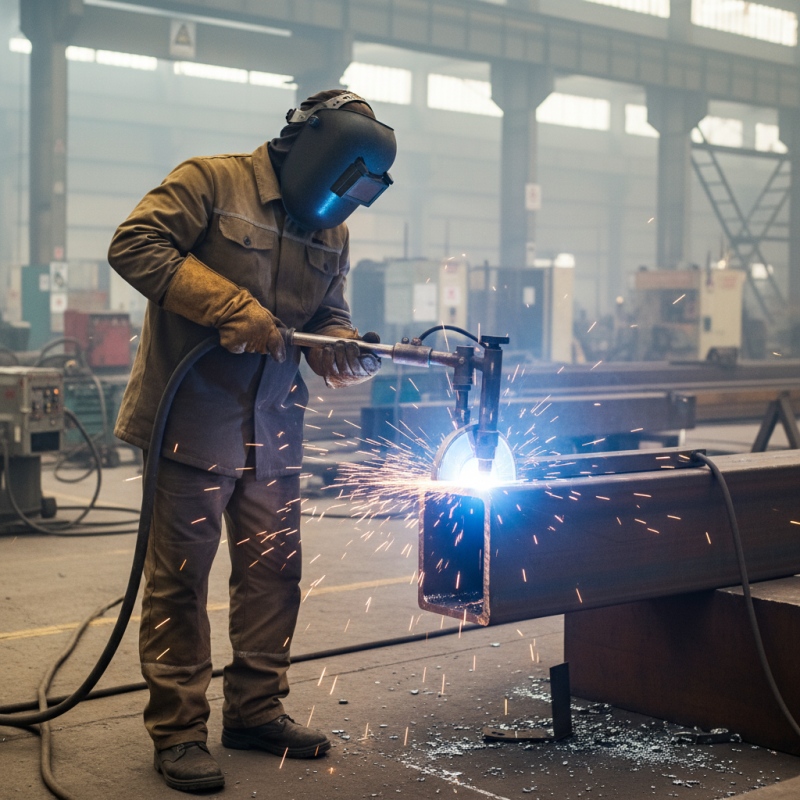
What is an Arc Cutting Machine?
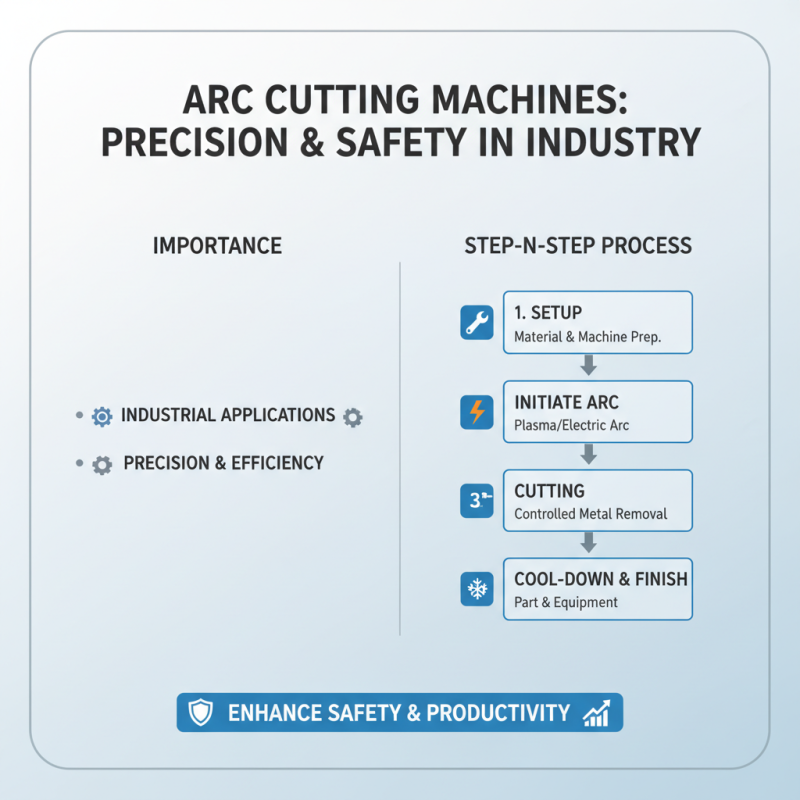
An arc cutting machine is a tool used for metal cutting through electric arcs. This machine generates intense heat by using an electric arc to melt metal surfaces. The process is efficient and creates clean cuts. Various types of metals can be processed, making it essential in industries like construction and manufacturing.
The machine employs a consumable electrode, which allows it to create a precise cutting path. Depending on the thickness of the metal, operators can adjust the current settings. This versatility ensures optimal performance across different applications.
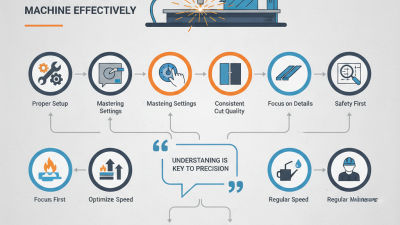
Tips: Always wear appropriate safety gear when operating an arc cutting machine. Sparks and smoke can pose risks. Keep the workspace clear of flammable materials to prevent accidents. Regular maintenance is imperative. It helps avoid malfunctions and reduces hazards, ensuring a safer working environment.
To achieve the best results, consider the metal type and thickness before cutting. Not all metals respond the same way. Experimentation may lead to better techniques. Each machine has its quirks that require attention, and knowing these can improve overall performance.
Principles of Arc Cutting Technology
Arc cutting machines are essential tools in metalworking. They utilize electric arcs to melt and cut through metals. This process allows for precision and speed in various applications. The machine generates a high-temperature arc, often exceeding 6,000 degrees Celsius. This intense heat enables it to slice through thick materials effectively.
The principles behind arc cutting technology are fascinating yet complex. The machine converts electrical energy into thermal energy. This conversion initiates the cutting process. The arc is maintained between the workpiece and an electrode. It requires careful handling and awareness. Mistakes can lead to uneven cuts or damage. The operator must understand the machine’s settings and adjustments. Safety is crucial, as the process generates bright light and intense heat.
Arc cutting can be used in many industries. However, it demands skill for effective results. Practicing on scrap materials helps improve technique. It also aids in understanding how different metals react. Each material behaves uniquely when exposed to the arc. This variability can lead to challenges, requiring constant learning. Operators often reflect on their experiences to enhance future performance.
Components of an Arc Cutting Machine
An arc cutting machine is a powerful tool used in various industries for metal cutting. Its efficiency largely depends on its main components. These components play a crucial role in its functionality and overall performance.
The primary part of an arc cutting machine is the power supply. It generates the electrical energy needed to create an arc. Without a reliable power source, the cutting process is ineffective. Typically, these machines use direct current (DC) for better control over the cutting process. The quality of the electrical supply impacts the cut's cleanliness and precision.
The torch is another essential part. It directs the electric arc towards the material. A poorly designed torch can lead to inconsistent cutting depths. This might result in wasted materials and longer operation times. Effective torches have features like adjustable nozzle sizes and cooling systems to prevent overheating.
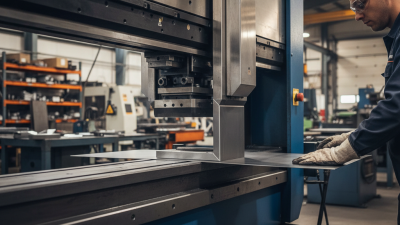
Finally, the workpiece fixture maintains the stability of the material being cut. An unstable fixture can result in vibrations, which affect cutting accuracy. Research suggests that up to 30% of cutting errors could stem from improper fixture setups. Addressing these components is vital for achieving optimal performance in arc cutting operations, ensuring efficiency and precise results.
Applications and Benefits of Arc Cutting Machines
Arc cutting machines are essential tools in various industries, known for their precision and efficiency. They use an electric arc to melt materials, creating clean cuts in metals and other materials. Their applications span several sectors, including manufacturing, construction, and metalworking.
A significant benefit of arc cutting machines is their ability to operate in tough conditions. According to a report from the Welding Equipment Manufacturers, nearly 30% of metal fabrication businesses have adopted arc cutting technology. This adoption has led to a decrease in production time by up to 25%. This is particularly beneficial in industries where time is money. Additionally, these machines reduce material waste, which is crucial for sustainability efforts.
Tips: Regular maintenance of arc cutting machines is vital. It ensures optimal performance and extends their lifespan. Training operators effectively can minimize costly mistakes and improve safety. Remember, proper setup is key for achieving accurate cuts.
Despite their benefits, some challenges exist. Operators may face difficulties with settings, affecting cut quality. Moreover, understanding the machine's limitations is crucial. Without adequate knowledge, mistakes can lead to delays or rework. Operators should always stay updated with training programs to enhance their skills.