How to Choose Advanced Metal Fabrication and Machine Services?
Choosing a service provider for advanced metal fabrication and machine tasks can be complex. The right partner not only understands your specific needs but also possesses the necessary skills and equipment. Many companies claim expertise, but evaluating their capabilities is vital.
Consider the materials and technologies they use in advanced metal fabrication and machine operations. Check for certifications and industry standards that ensure quality. Customer reviews can provide insight, but be wary of overly positive feedback. Real-life experiences often reveal both strengths and shortcomings of a service provider.
Advanced metal fabrication involves intricate processes. Look for firms with a track record in diverse projects. This may indicate versatility and innovation. Transparency in pricing and project timelines is critical. Reflect on what you truly need before making a decision. Each choice carries its own set of risks and benefits. Ensure the partner you select aligns with your project goals.
Understanding the Basics of Advanced Metal Fabrication and Machining Services
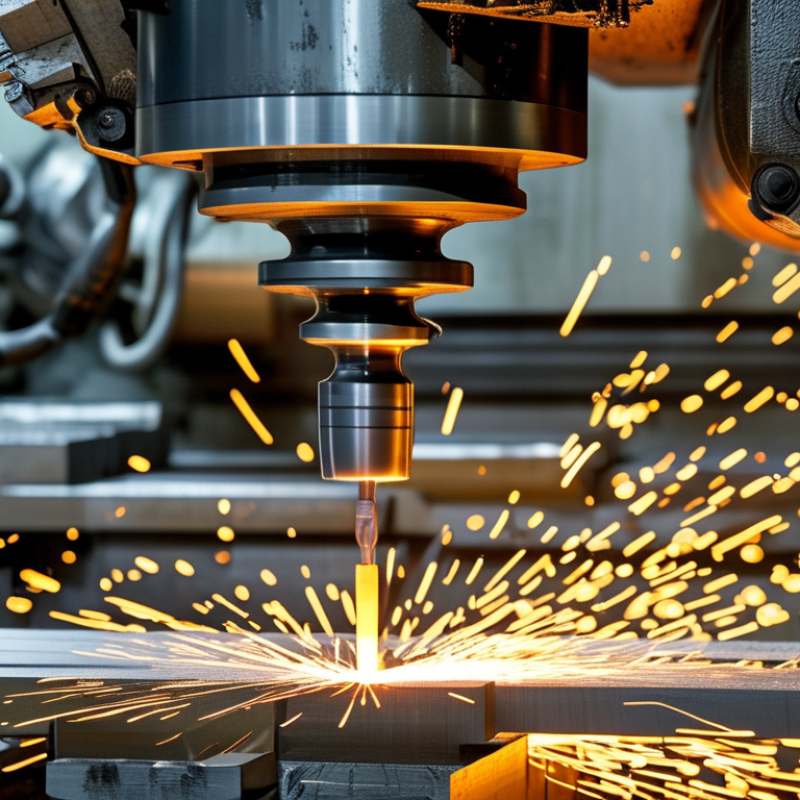
Advanced metal fabrication and machining services are essential in various industries. Understanding the basics helps in making informed choices. Metal fabrication involves the creation of metal structures through cutting, bending, and assembling processes. Machining, on the other hand, focuses on removing material to achieve desired shapes and sizes. These services are crucial for precision engineering and achieving high-quality products.
When selecting a service provider, consider their experience in the industry. Look for a company that demonstrates knowledge in specialized techniques. An established provider often brings a wealth of skills. Communication also plays a vital role; a reliable provider should be open to discussing project details clearly and concisely. This fosters trust and collaboration.
Explore their past work to evaluate the quality of their services. This can include looking at sample projects or client testimonials. Quality standards are non-negotiable. A commitment to precision can make a significant difference in the final product. Engaging with providers who value feedback and show a willingness to adapt can be beneficial. They should be open to reflection on their processes for continuous improvement.
Identifying Your Project Needs and Specifications
When embarking on a metal fabrication project, identifying needs and specifications is crucial. Different projects demand varying levels of precision and material strength. In a recent study, nearly 70% of manufacturers reported that defining project parameters upfront led to improved overall outcomes. This statistic highlights the importance of clarity and precision in initial project planning.
Consider the materials you require. Common options include aluminum, stainless steel, and carbon steel, each with distinct properties. For instance, aluminum is lightweight and corrosion-resistant, while carbon steel is known for its strength. A study indicated that projects using appropriate materials recorded a 30% reduction in waste. This realization helps avoid unnecessary costs and delays.
Once material needs are established, focus on dimensional specifications. Scalable production requires exact measurements. For example, a project that incorrectly specifies tolerances can incur inefficiencies. According to engineering reports, even a small variance of just 0.1 mm can lead to significant adjustments in the production timeline. It is essential to revisit these specifications before engaging with fabrication services. This approach not only enhances reliability but also encourages a collaborative effort between clients and manufacturers.
Evaluating Service Providers: Key Factors to Consider
When choosing advanced metal fabrication and machine services, evaluating potential providers is crucial. Key factors should include their experience and industry expertise. Research indicates that companies with over ten years in the field tend to deliver higher quality results. This often results from refined processes, skilled labor, and a deeper understanding of industry standards. Over 70% of successful projects cite reliable partnerships as a driving force for success.
Additionally, consider certifications and compliance with industry regulations. Services following ISO 9001 standards typically show a commitment to quality management and consistent output. According to recent data, 80% of projects meet deadlines when the service provider adheres to these standards. Look for a portfolio showcasing previous work. This provides insight into the provider’s technological capabilities and industry versatility.
Communication is another essential factor. Clear and ongoing communication can prevent misunderstandings and costly errors. A survey revealed that 60% of clients prioritize responsiveness and open dialogue from their service providers. This can be especially challenging in complex projects where requirements may evolve. Balancing these factors can help ensure you make an informed decision while avoiding potential pitfalls.
Comparing Techniques and Technology Used in Metal Fabrication
When choosing advanced metal fabrication and machining services, understanding the techniques used is crucial. Various methods exist, each tailored for specific applications. For example, laser cutting offers precision and speed, ideal for complex shapes. In contrast, CNC machining provides extensive customization and superior tolerances, making it a preferred choice for intricate components.
Technological advancements in metal fabrication have changed the industry. 3D printing is now a game changer, allowing rapid prototyping and reduced material waste. However, not all services are equipped with the latest technology. This gap can affect project quality and turnaround times. It’s vital to evaluate a provider's capabilities, ensuring they stay updated with industry standards.
Complex projects often reveal the limitations of traditional techniques. Occasionally, errors during fabrication can lead to costly revisions. A reliable service should be open to reflecting on past mistakes and seeking improvement. Clients should feel comfortable discussing issues openly, fostering a partnership that prioritizes excellence and innovation.
Comparison of Techniques and Technology Used in Advanced Metal Fabrication
Assessing Quality Control and Compliance Standards in Manufacturing
When choosing advanced metal fabrication and machine services, quality control should be a top priority. Companies must adhere to stringent compliance standards. Look for fabricators who implement regular inspections and audits. Consistency in processes often results in superior products. It’s not just about following regulations but embracing a culture of quality.
Many manufacturers claim to meet compliance standards. However, their practices may not reflect their statements. It’s crucial to delve deeper into their quality control measures. Ask how they track defects and what corrective actions they take when issues arise. Real-world scenarios often reveal gaps in processes. Effective quality control is an ongoing journey, not a one-time checklist.
Inquire about certifications related to quality management. While certifications are a good starting point, they don’t guarantee excellence. Some facilities may become complacent or prioritize speed over quality. A reliable partner will continuously improve and adapt. Regularly updating their quality systems and training staff is essential. A commitment to improvement can be a significant differentiator in advanced fabrication services.
How to Choose Advanced Metal Fabrication and Machine Services? - Assessing Quality Control and Compliance Standards in Manufacturing
| Service Type |
Quality Control Method |
Compliance Standards |
Typical Applications |
Lead Time |
| Laser Cutting |
In-process inspection |
ISO 9001 |
Aerospace, automotive, electronics |
1-2 weeks |
| Welding Services |
Weld procedure specifications |
AWS D1.1 |
Construction, HVAC, transport |
2-4 weeks |
| CNC Machining |
Final inspection and testing |
ISO 13485 |
Medical devices, industrial components |
3-6 weeks |
| Sheet Metal Fabrication |
Dimensional inspection |
AS9100 |
Enclosures, panels, frames |
2-3 weeks |