Choosing the best machine cutting machine in 2026 starts with the work it must do, not the longest feature list. A shop cutting thin aluminum sheets has different needs from a factory processing thick steel plate. Material, thickness, daily volume, part geometry, and required edge quality all shape the decision. So does floor space. Measure it.
Manufacturing engineer Shigeo Shingo is widely associated with the warning, “The most dangerous kind of waste is the waste we do not recognize.” That principle matters when comparing machines: a low purchase price may hide slow changeovers, excessive scrap, or costly maintenance. Look closely at the full workflow. Ask vendors for sample cuts using your actual material, and inspect the edges, dimensions, and cycle times. A polished demonstration is useful, but your own parts tell more.
This guide outlines the practical checks behind a sound choice: cutting technology, capacity, accuracy, controls, safety features, service support, and total ownership cost. It also considers how automation and software may fit a shop’s future workload. No machine suits every operation. Even a careful comparison can miss something; tooling wear and operator training are easy to underestimate. That is worth questioning before you buy. The aim is not to select the most advanced machine cutting machine on paper, but one that reliably meets production needs without creating avoidable downtime or expense.
How to Choose the Best Machine Cutting Machine in 2026?
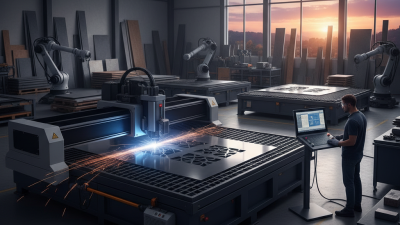
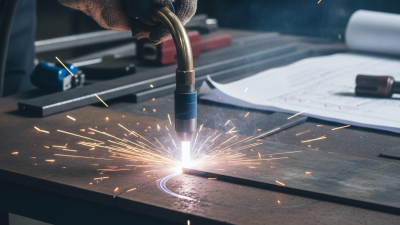
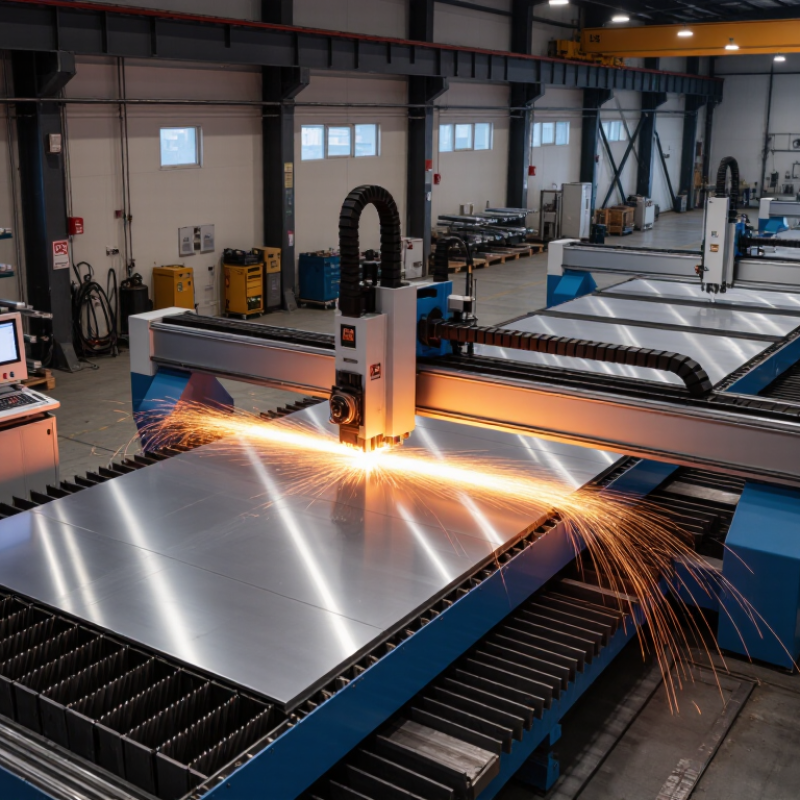
Machine cutting technology should match the material, thickness, tolerance, and production volume. CNC milling and turning suit precise metal components with repeatable dimensions. Laser cutting delivers narrow kerfs and clean edges on sheet metal. Plasma cutting handles thicker steel quickly, but it creates a larger heat-affected zone. Waterjet cutting avoids thermal distortion and suits stone, glass, composites, and heat-sensitive alloys. The choice is practical, not fashionable.
Grand View Research estimates the global laser cutting machine market will grow at about 7% annually through 2030. MarketsandMarkets also identifies automation, smart monitoring, and flexible production as major CNC equipment trends. These findings reflect real factory pressures: shorter setup times, less material waste, and dependable output. In automotive and aerospace work, dimensional stability matters more than raw cutting speed. Furniture and architectural fabrication may value edge quality and rapid pattern changes instead.
A useful evaluation begins with sample cuts, not brochures. Inspect burrs, corner accuracy, surface discoloration, and scrap levels. Ask operators about maintenance access and training requirements. A machine with higher power may reduce cycle time, yet increase energy use and service costs. The cheapest quote can be the most expensive mistake. Still, every calculation has uncertainty. Material batches vary, software settings drift, and skilled operators remain essential. Check total cost over five years, including tooling, extraction, cooling, downtime, and safety systems. For 2026 purchasing decisions, measurable application results should outweigh impressive specifications.
Understanding machine cutting technologies and their main applications
The chart compares representative upper cutting-thickness ranges for carbon steel. Fiber and CO₂ lasers are suitable for accurate sheet-metal work, plasma is effective for medium-to-thick plate, waterjet cutting handles thick materials without a heat-affected zone, and oxy-fuel is commonly selected for very thick carbon-steel sections. Actual performance depends on machine power, material grade, consumables, cut quality requirements, and operating conditions.
Choosing the best machine cutting machine in 2026 starts with the material, not the machine’s advertised speed. Steel, aluminum, wood, plastic, and composites require different cutting methods, power levels, and extraction systems. Record the thickest and thinnest materials you will process. Then check heat distortion, edge quality, burr formation, and allowable tolerance. A clean edge may matter more than a faster cycle.
Size is equally practical. Measure the largest sheet, tube, or panel, including loading space around it. A cutting bed that barely fits the workpiece can create awkward handling and wasted material. The U.S. Energy Information Administration reports that industrial facilities remain major electricity users, so compare power consumption, standby demand, and compressed-air requirements. Small differences become expensive during long shifts. Realistically, many buyers underestimate auxiliary costs.
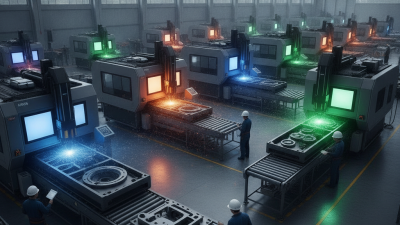
Production volume should determine automation and duty cycle. The International Federation of Robotics reported 541,302 industrial robots installed worldwide in 2023, reflecting stronger demand for repeatable production. For short runs, flexible tooling and quick setup may deliver better value than maximum power. For continuous production, inspect rated uptime, automatic loading, nesting software, and service response. Ask for sample cuts using your actual material. I have seen specifications look perfect until warped sheets entered the table. That mistake is easy to make.
Choose accuracy by testing the material and thickness you actually process. Measure kerf width, edge quality, and repeatability across several cuts. A clean first pass is not enough. Compare those results with the machine’s stated tolerance, then check whether it holds under a full production shift. Also compare cutting speed under load; maximum travel speed may not reflect real output.
Power affects both capability and operating cost. Check the machine’s power draw, duty cycle, and energy used per finished part. Automation matters when jobs change often: look for reliable sensing, job setup, and material handling. IFR’s World Robotics 2024 report counted 4.28 million industrial robots operating worldwide in 2023. Deloitte and MAPI’s 2024 survey found 86% of respondents saw smart manufacturing as a future competitiveness driver. These figures cover manufacturing broadly, not cutting machines alone. That distinction matters.
Tips: Bring your own sample material. Run repeated cuts, inspect the edges, and record cycle time and energy use. Ask operators to try setup, too. Their feedback may expose awkward steps that a specification sheet misses. I would still verify performance in your own workflow; one test can overlook a frustrating exception.
A reliable cutting machine should protect operators before improving production speed. Look for fixed guards, emergency stops, clear controls, and automatic blade or tool detection. These features reduce risk during rushed work. The cutting area should also provide stable material support and good visibility. In daily shop use, awkward access panels often cause unsafe shortcuts. That detail deserves attention.
Maintenance affects both safety and operating costs. Choose a machine with accessible service points, replaceable wear parts, and clear maintenance instructions. Check how often blades, filters, belts, and lubrication systems need attention. A cheaper machine can become expensive when small failures stop production. Record service time, energy use, consumables, and rejected material. The calculation may feel tedious. It is still useful. Review applicable local safety requirements and ask qualified technicians to verify installation and training needs. Specifications alone cannot prove dependable performance.
Tips: Test the emergency stop before purchase. Ask for a sample cutting trial. Listen for unusual vibration and watch material movement. Request realistic figures for power use and routine parts. Compare yearly costs, not only the purchase price. Keep a maintenance log with dates and photographs. Leave space around the machine for cleaning and inspection. I would also budget for occasional mistakes, because operators are not perfectly consistent. A practical choice is safe, serviceable, and predictable under ordinary pressure.
Selecting a cutting machine should begin with the material, not the advertised speed. Test the machine using your actual sheet thickness, edge profile, and daily production volume. A clean sample is useful. One sample is not enough. Ask for repeated cuts across several hours, then inspect heat marks, burrs, dimensional drift, and waste. These details often reveal more than a polished demonstration.
Long-term value depends on measurable operating costs. Check energy consumption, blade or tool replacement intervals, software updates, and technician response times. Request maintenance records from comparable installations when possible. A durable frame and accessible service panels can reduce downtime. Keep a simple cost log during testing. I once underestimated setup delays because the cutting cycle looked impressive. That mistake changed how I evaluate throughput.
Verification should include safety documentation, operator training, warranty terms, and legally required certifications for the installation location. Confirm whether common replacement parts remain available several years later. Review the control interface with the intended operators; confusing menus can create expensive errors. Calculate total ownership cost over five years, including labor, waste, maintenance, and electricity. The cheapest purchase may become the costliest machine on a busy workshop floor. Manufacturer claims still need independent checking.