Why Choose a Plasma Cut Machine for Metal Cutting?

Choosing a plasma cut machine is not simply about buying the fastest tool in the workshop. It is about matching cutting power, material thickness, accuracy, and daily production needs. A well-selected machine can slice mild steel, stainless steel, and aluminum with a narrow kerf and limited mechanical force. The result is practical. Edges are cleaner, layouts are faster, and operators can produce detailed shapes without changing cutting blades.

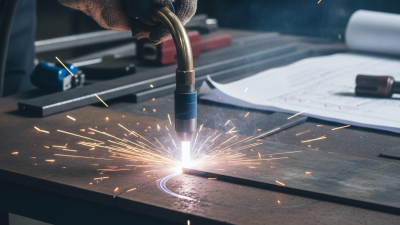
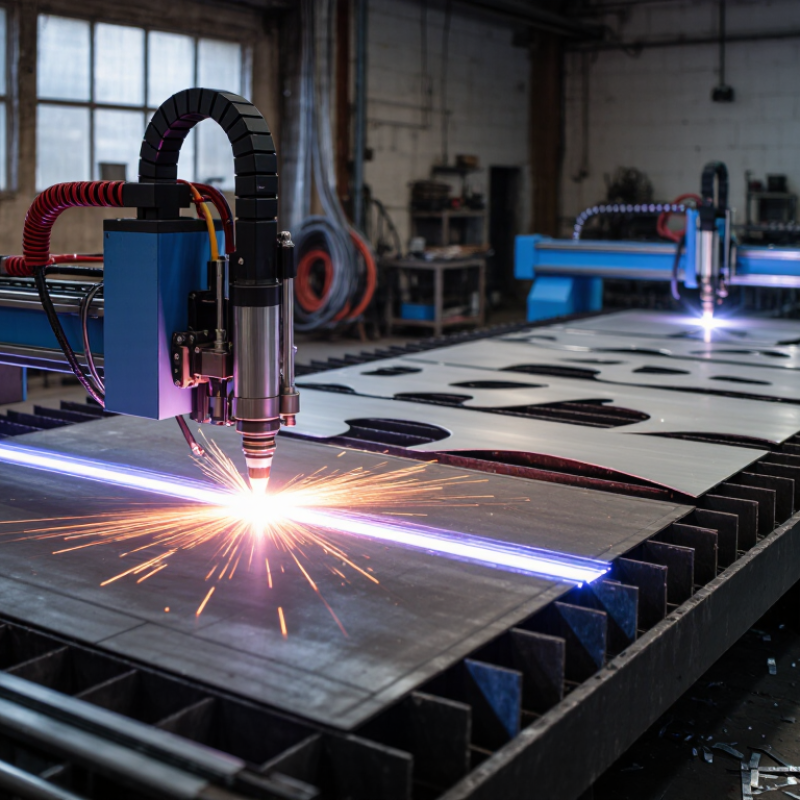
Jim Colt, a recognized plasma-cutting specialist and author, describes the process clearly: “Plasma cutting uses a high-velocity jet of ionized gas to melt and remove metal.” That principle explains the machine’s strength. An electric arc creates plasma inside the torch, while compressed air or another approved gas pushes molten metal away. In a busy fabrication shop, this can mean fewer tool changes and more flexible job planning.

Still, plasma is not magic. Poor air quality, incorrect amperage, or a worn electrode can create rough edges and excessive dross. I have seen operators blame the machine when the real problem was moisture in the air line. That mistake is easy to repeat. A dryer, clean consumables, proper grounding, and tested settings matter greatly.

This guide examines why a plasma cut machine may suit modern metalwork. It considers cutting speed, operating cost, portability, precision, safety, and maintenance. It also questions when plasma may be the wrong choice. Very thin sheet can warp, while extremely thick plate may require another process. The best decision is rarely based on marketing claims alone. It comes from measured samples, realistic workloads, and honest expectations.
Why Choose a Plasma Cut Machine for Metal Cutting?

How Plasma Cutting Works: Arc Temperatures Reaching 22,000°C

Why Choose a Plasma Cut Machine for Metal Cutting?

A plasma cutter creates an electrical arc through compressed gas, forming a narrow plasma jet. The arc can reach approximately 22,000°C, according to technical references in the American Welding Society’s Welding Handbook. That temperature is far above steel’s melting point, near 1,370°C. However, the number can mislead. The arc does not heat the entire plate uniformly. It concentrates energy into a small cutting zone, then the high-speed gas removes molten metal.

In practical fabrication, this focused action supports fast cutting on mild steel, stainless steel, and aluminium. A 10 mm steel plate can separate in seconds with suitable amperage, travel speed, and air pressure. The result depends heavily on setup. Too much speed leaves a narrow, incomplete kerf. Too little speed creates heavy dross and a wider cut. ISO 9013:2017 classifies thermal-cutting quality through factors such as squareness, roughness, and tolerance. A clean-looking edge is not automatically a precise edge.

Compressed air systems are convenient, but moisture can disturb the arc and shorten consumable life. Proper filtration matters. So does ventilation, because cutting fumes may contain hazardous metal particles. Operators should verify machine settings against the material chart and inspect the workpiece afterward. Plasma cutting is powerful, but not careless. The 22,000°C figure explains its capability; disciplined control determines the finished part.

Material Compatibility: Cutting Conductive Metals from 0.5 to 150 mm

Plasma cutting is suited to conductive metals because it uses an electrical arc and compressed gas to melt material. Carbon steel, stainless steel, aluminum, copper, and brass are common choices. The World Steel Association reported global crude steel production at about 1.88 billion tonnes in 2024. That scale reflects the continuing need for fast, controlled metal processing.

A suitable plasma system can cut sheets near 0.5 mm, but thin material demands careful amperage and travel-speed control. Excess heat may warp a small panel or widen the kerf. At the other end, industrial systems can cut carbon steel approaching 150 mm, although edge quality, piercing time, and operating cost change sharply. Thick stainless steel often cuts more slowly because its heat transfer differs from carbon steel. Material data matters.

ISO 9013:2017 provides quality classifications for thermally cut surfaces, including angularity, roughness, and tolerance. These measurements are more reliable than judging an edge by appearance alone. In practical workshops, I would test a sample first. A 0.5 mm sheet may need a fine consumable, while a 100 mm plate may require pre-planning for piercing. The advertised maximum is not always the best production thickness. That limitation deserves attention.

Why Choose a Plasma Cut Machine for Metal Cutting?

Plasma cutting is suitable for electrically conductive metals across a broad thickness range. The chart shows representative material thickness bands from approximately 0.5 to 150 mm; actual results depend on power output, cutting speed, gas selection, material grade, and edge-quality requirements.

Productivity Gains: Plasma Cutting Up to Five Times Faster Than Oxy-Fuel

Why Choose a Plasma Cut Machine for Metal Cutting?

Speed matters when a workshop handles repeated cuts, tight deadlines, and changing material thicknesses. Plasma cutting can work up to five times faster than oxy-fuel cutting on suitable mild-steel applications. That difference is substantial. A plasma torch starts cutting quickly, produces a narrow kerf, and usually needs less preheating. An operator can move from one cut to another without waiting for the plate to reach ignition temperature.

In practical shop work, this advantage becomes visible on brackets, frames, and sheet-metal panels. A 6 mm steel sheet may pass under the torch in seconds, while oxy-fuel cutting often requires slower travel and more preparation. Plasma also handles holes and short profiles efficiently. The cut edge can be cleaner when amperage, air pressure, and travel speed are correctly matched. Poor settings still create dross.

The five-times figure is not guaranteed. Material grade, thickness, machine capacity, consumable wear, and operator skill change the result. I would not compare only torch speed, either. Piercing time, cleanup, repositioning, and maintenance affect real production output. Plasma systems also need stable compressed air and careful grounding. That part is easy to underestimate. A rushed setup can erase much of the expected productivity gain, leaving a fast machine with disappointing results.

Precision and Cut Quality: Kerf Widths Near 1–2 mm with CNC Control

Why Choose a Plasma Cut Machine for Metal Cutting?

Precision is a practical reason to choose plasma cutting. A CNC-controlled plasma system can maintain kerf widths near 1–2 mm on suitable sheet metal. The actual result depends on amperage, material thickness, torch height, and consumable condition. Small errors matter. A 1 mm deviation can affect slot fit, bolt alignment, and assembly time.

ISO 9013:2017 evaluates thermal-cut edges through dimensional tolerances, perpendicularity, and surface characteristics. These criteria help fabricators inspect cut quality instead of relying only on appearance. Industry cutting trials commonly show clean CNC plasma edges on mild steel when speed and arc voltage are correctly matched. The American Welding Society also stresses process control, torch positioning, and consumable maintenance in its welding and cutting guidance. Data alone is not enough.

During shop testing, operators should measure the top and bottom kerf separately. The lower edge may widen when travel speed is too slow. Dross can also collect beneath a 10 mm plate, even when the programmed path is accurate. That detail is easy to miss. CNC control improves repeatability, but it cannot correct a worn electrode or poor grounding. ISO 9013 limits should therefore be treated as inspection targets, not automatic promises. A simple test grid, calibrated caliper, and recorded settings can reveal whether the claimed 1–2 mm kerf is genuinely repeatable.

Operating Costs and Safety: Air Plasma Systems Using 40–100 A Power Sources

Why Choose a Plasma Cut Machine for Metal Cutting?

For workshops cutting steel, stainless steel, or aluminum, air plasma systems offer practical control at 40–100 A. The selected amperage should match material thickness and cutting speed. Higher output can improve productivity, but it also increases power use and consumable wear. Compressed air quality matters too. A clean, dry supply helps protect the torch and produces a narrower, more stable cut.

Operating costs include electricity, air compression, electrodes, nozzles, and maintenance time. In daily use, a blocked filter or wet air line can create rough edges and unexpected downtime. I have found that small airflow problems often appear before serious torch damage. The duty cycle also deserves attention. Running continuously near maximum output may shorten component life, even when the machine appears capable.

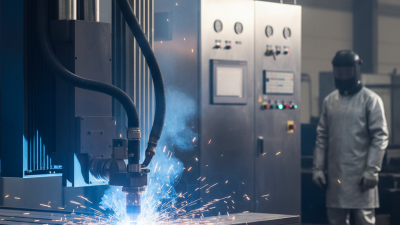
Tips: Check air pressure before cutting. Use a moisture separator and drain it regularly. Match the amperage to the metal, not only the machine’s maximum rating. Keep the work clamp on clean metal. Wear a face shield, flame-resistant clothing, gloves, and hearing protection. Good ventilation is essential because cutting produces fumes and bright ultraviolet light. Sparks can travel farther than expected. A clear work area prevents avoidable incidents. Some operators rush setup, and that is where mistakes begin. Follow the operating manual and applicable workplace safety requirements.