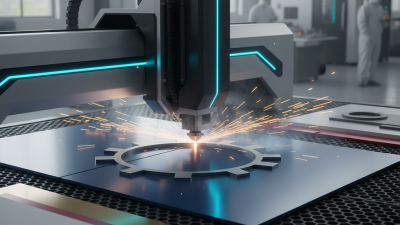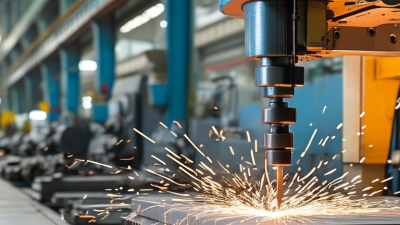
Choosing an operator machine in 2026 requires more than comparing prices and glossy brochures. The right model must fit real working conditions, operator skills, production targets, and maintenance capacity. A machine that performs perfectly in a showroom may struggle beside a dusty loading bay or during a twelve-hour shift.
Joseph Engelberger, widely recognized as the father of industrial robotics, famously said, “The goal of automation is to replace the human being with a machine.” His statement remains relevant, but modern purchasing decisions need a more balanced view. Automation should remove repetitive strain, not eliminate practical judgment. A reliable operator machine should support workers, protect safety, and provide consistent results.
Begin with the task itself. Measure cycle time, material size, operating temperature, and expected daily workload. Check how quickly an operator can learn the controls. A clear touchscreen, guarded moving parts, and accessible emergency stops matter more than decorative software features. Ask suppliers for maintenance intervals, spare-parts availability, training details, and documented performance data.
Energy use also deserves attention. A machine running eight hours daily can turn a small efficiency difference into a significant annual cost. Review warranty terms carefully. Visit an active installation if possible, and watch how operators actually use the equipment. Their comments may reveal problems hidden by technical specifications.
There is no perfect choice. I have seen buyers focus too heavily on purchase price and regret ignoring downtime. A neat specification sheet can still mislead. The strongest decision combines measurable data, operator feedback, supplier credibility, and room for future production changes. In 2026, thoughtful selection will matter more than chasing the newest machine.
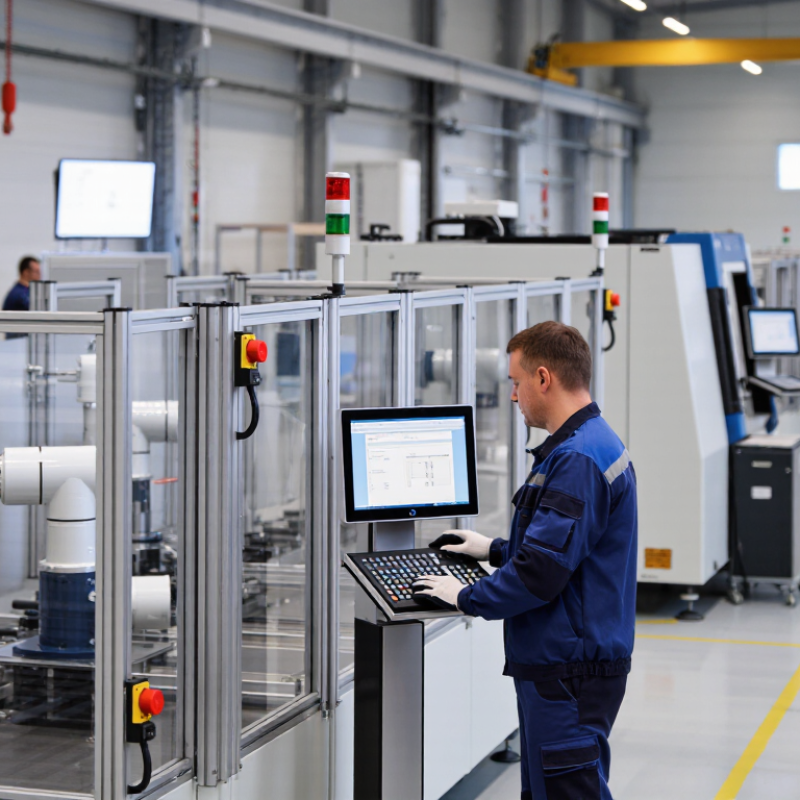
An operator machine is equipment designed for a trained person to control, adjust, and monitor. It may include a CNC unit, packaging line, lift system, or material-handling machine. The operator loads materials, selects settings, starts cycles, checks output, and responds to alarms. Some machines perform repetitive actions automatically. Human judgment still matters.
The International Federation of Robotics reported 541,302 industrial robots were installed worldwide in 2023. Its World Robotics 2024 report also recorded about 4.28 million robots operating globally. This growth does not remove operators. Instead, operators increasingly supervise automated cells, verify tolerances, and manage exceptions.
When choosing an operator machine in 2026, examine control clarity, access points, guarding, adjustment time, and training requirements. A bright display is useful. It is not enough.
Task fit should guide the decision. A cutting machine needs stable accuracy and safe tool changes. A filling machine needs consistent dosing and simple cleaning access. A warehouse machine needs visibility, braking control, and comfortable reach. Deloitte’s 2024 Smart Manufacturing survey found that many manufacturers view smart production as important for future competitiveness, but implementation still faces skills and integration challenges. That warning deserves attention. A machine can collect thousands of data points and still produce poor work if alarms confuse the operator. During trials, observe one complete shift: loading, setup, faults, cleaning, and handover. The uncomfortable detail is often the most valuable one.
Choosing an operator machine in 2026 starts with the work, not the catalog. Write down the required tasks, load weights, reach distances, cycle times, and daily operating hours. A machine lifting heavy materials needs different stability and control than one used for light indoor handling. Measure the largest load, not the average one. Talk with operators before deciding. Their daily experience often exposes limits that specifications overlook. Be specific.
Site conditions can change a suitable machine into a poor investment. Record ground firmness, slope, access width, ceiling height, weather exposure, and available power. A narrow entrance may matter more than maximum capacity. Check the surface after rain, not only during a dry inspection. Dust, heat, mud, and poor lighting affect control, maintenance, and operator fatigue. Leave room for error.
Define safe operating limits before purchase. Set realistic load weights, reach distances, working hours, travel speeds, and turning space. Keep a margin below the stated maximum, especially when loads shift or visibility drops. Review emergency controls, inspection access, guarding, training needs, and service intervals with a qualified technician. I have seen teams choose capacity they rarely need while ignoring awkward loading points. That decision looks efficient on paper, but it can increase downtime and unsafe workarounds. Recheck assumptions with a short site trial. A spreadsheet cannot feel vibration.
| Machine Type | Best-Fit Work Requirements | Typical Operating Weight | Typical Power Range | Suitable Site Conditions | Key Operating Limits | Typical Travel Speed | Planning Considerations |
|---|---|---|---|---|---|---|---|
| Mini Excavator |
Precision digging Utility trenches, landscaping, drainage, light demolition, foundation work, and confined excavation. |
1.0–8.0 metric tons | 13–65 kW | Residential areas, narrow access routes, finished surfaces, landscaped sites, and locations requiring low tail swing. |
Typical digging depth: 2.0–5.5 m. Avoid lifting beyond the rated load chart, especially over the side. Use additional caution on slopes, soft shoulders, and unsupported trench edges. |
2–5 km/h | Check doorway width, transport trailer capacity, tail-swing clearance, attachment compatibility, and ground protection requirements. |
| Standard Crawler Excavator |
High-volume excavation Mass excavation, trenching, quarry work, demolition, material handling, and heavy lifting with approved attachments. |
10–45 metric tons | 70–300 kW | Construction sites with prepared access, stable working platforms, large earthmoving areas, and sufficient swing clearance. |
Typical digging depth: 6–10 m, depending on configuration. Lifting capacity changes significantly with boom position, radius, counterweight, and ground level. Do not use the excavator as a crane unless the configuration is rated for lifting. |
3–6 km/h | Verify ground-bearing capacity, transportation permits, overhead clearance, counterweight dimensions, and hydraulic attachment flow. |
| Wheel Loader |
Loading and stockpiling Truck loading, aggregate handling, site cleanup, snow removal, stockpile management, and pallet or fork work with approved equipment. |
8–30 metric tons | 75–250 kW | Firm, well-compacted surfaces such as paved yards, aggregate plants, quarry floors, and prepared construction haul roads. |
Typical bucket capacity: 1.5–7.0 m³. Less suitable for deep digging or narrow, muddy sites. Load stability decreases on slopes, during sharp turns, and with raised loads. |
20–40 km/h | Match bucket size to material density and truck height. Consider tire selection, turning radius, visibility, and articulated-frame clearance. |
| Skid-Steer Loader |
Compact versatility Grading, augering, light excavation, material handling, sweeping, snow work, and attachment-driven tasks in restricted areas. |
2.5–5.0 metric tons | 45–75 kW | Tight urban sites, concrete slabs, compact yards, and areas requiring zero-radius turning. |
High ground pressure can damage finished surfaces and soft soil. Rated operating capacity is commonly around 25–50% of tipping load, depending on applicable standards and configuration. Reduced visibility and load stability occur when the lift arm is raised. |
10–20 km/h | Select wheeled or tracked undercarriage according to surface and traction needs. Confirm auxiliary hydraulic flow for specialized attachments. |
| Compact Track Loader |
Low-ground-pressure work Grading, site preparation, brush clearing, light excavation, slope finishing, and attachment work on soft or uneven ground. |
4.0–7.0 metric tons | 55–100 kW | Muddy, sandy, landscaped, or uneven terrain where lower ground pressure and improved flotation are more important than high travel speed. |
Typical ground pressure: approximately 25–45 kPa, depending on track width and operating weight. Tracks can be damaged by abrasive surfaces, sharp debris, and prolonged operation on hard pavement. Avoid side-hill travel where rollover risk increases. |
8–15 km/h | Budget for track wear and undercarriage cleaning. Verify whether the site requires turf protection, high-flow hydraulics, or enhanced cooling. |
| Backhoe Loader |
Multi-purpose utility work Service trenching, road maintenance, small-scale excavation, loading, backfilling, and municipal repair work. |
7.0–11.0 metric tons | 55–95 kW | Road corridors, utility projects, rural sites, and jobs where the machine must travel between work areas without a heavy transport vehicle. |
Typical digging depth: 4.0–6.0 m. Stabilizers are required for safe backhoe operation and lifting. Front-loader capacity is affected by articulation, ground slope, bucket position, and material density. |
30–40 km/h | Assess road-registration requirements, stabilizer footprint, front-loader clearance, trench access, and the need for multiple attachments. |
| Bulldozer |
Dozing and rough grading Heavy pushing, clearing, embankment construction, cut-and-fill work, spreading fill, and work on rough terrain. |
8–70 metric tons | 75–675 kW | Large earthmoving sites, road construction, mines, forests, and rough ground where continuous tractive effort is required. |
Designed primarily for pushing rather than lifting or loading. Slope performance depends on machine configuration, surface traction, blade load, and travel direction. Side-slope operation increases rollover and track-slip risk. |
7–12 km/h | Select blade type and track configuration according to material and terrain. Plan for transport logistics, soil compaction, and visibility around the blade. |
| Telehandler |
Elevated material handling Pallet placement, construction-material handling, roof work support, agricultural loads, and lifting with approved forks or platforms. |
6.0–20.0 metric tons | 55–175 kW | Firm, level, or properly prepared ground with sufficient room for stabilizers, turning, boom articulation, and load placement. |
Typical lift height: 6–18 m. Capacity decreases as boom reach and lift height increase. Never exceed the load chart for the exact attachment, boom angle, stabilizer position, and ground condition. |
20–40 km/h | Confirm load-center distance, wind exposure, overhead power-line clearance, platform certification, outrigger requirements, and visibility controls. |
| Motor Grader |
Final grading Road shaping, drainage-crown formation, shoulder maintenance, fine grading, and long-distance surface finishing. |
12–25 metric tons | 110–225 kW | Long, open work zones with adequate turning space and a reasonably firm surface for consistent blade control. |
Not intended for deep excavation or heavy stockpile loading. Grading accuracy is affected by tire pressure, articulation angle, blade position, speed, and material moisture. Reduced stability may occur on steep cross-slopes. |
5–40 km/h | Check required grading tolerance, machine control compatibility, working width, transport width, and operator visibility along the blade. |
Selection rule: Define the required production rate, material type, attachment, working radius, lift height, transport route, ground-bearing capacity, slope exposure, weather conditions, and operator skill level before choosing a machine.
The figures shown are typical planning ranges for commonly used machine classes, not manufacturer-specific specifications. Always verify the current load chart, stability limits, slope guidance, attachment ratings, transport regulations, and operating instructions for the exact machine configuration.
Choosing an operator machine in 2026 starts with the worksite, not the brochure. Measure rated operating capacity, hydraulic flow, breakout force, turning radius, and transport weight. A machine that feels powerful may still waste fuel during light cycles. Check attachment compatibility carefully. Small mismatches become expensive downtime.
Power source matters most when duty cycles are predictable. The U.S. Department of Energy reports that electric drivetrains can convert about 77% of grid energy into vehicle motion, compared with roughly 12–30% for gasoline systems. This is a useful benchmark, not a perfect machine comparison. Diesel still offers fast refueling and long shifts in remote locations. Battery power can reduce local noise and exhaust, but charging space, winter performance, and battery replacement costs need honest calculation. Quiet matters.
The IEA’s Global EV Outlook 2024 recorded more than 750 GWh of battery demand across electric vehicles in 2023. That scale supports better cells and charging equipment, yet construction machines face harsher loads than passenger vehicles. Ask for usable battery capacity, charging time, thermal management, and expected cycle life. Do not rely only on peak power. Review visibility, seat suspension, control layout, service access, and operator fatigue. OSHA’s construction guidance consistently links equipment safety with training, inspection, and clear operating procedures. A real site is messier. I would also compare three duty-cycle tests, because advertised consumption rarely matches muddy ground, repeated lifting, and idle time.
Choosing an operator machine requires more than checking its purchase price. In field trials, I watch how quickly operators find the emergency stop and adjust the seat. Clear sightlines, stable steps, protective guards, and reliable alarms reduce daily risks. Controls should feel natural with gloves, not demand constant attention from a screen. Test the joystick, pedals, display brightness, and reverse warning in realistic conditions. A specification sheet cannot show awkward control placement.
Costs need a wider view. Compare fuel or battery use, insurance requirements, operator training, replacement parts, and scheduled servicing. Ask for maintenance intervals and typical repair times. Check whether filters, inspection points, and fluid connections are easy to reach. A machine that saves money initially may become expensive during long downtime. I once focused too heavily on the quoted price. That was a costly mistake.
Tips: Bring two experienced operators to the demonstration. Let them perform loading, turning, parking, and shutdown tasks. Record their comments immediately. Request service records and a written parts estimate. Check noise, vibration, and visibility after an hour, not ten minutes. Leave room for doubt. Operator comfort can change with weather, workload, and fatigue. A short trial is useful, but it cannot reveal every maintenance problem.
How to Choose an Operator Machine in 2026?
Choosing an operator machine requires more than comparing prices and screen features. Test it in conditions that resemble your workplace. Run the machine empty, then under its expected load. Observe vibration, noise, heat, and control response. A comfortable seat matters during a long shift. So does clear visibility around moving parts. Ask the operator to complete ordinary tasks without assistance. Their feedback often reveals problems hidden in brochures.
Check maintenance access before purchase. Can a technician reach filters, belts, and inspection points safely? Review service records, parts availability, training requirements, and warranty terms. In 2026, connected monitoring can help track operating hours and faults. However, data is useful only when staff understand it. Confirm the system has suitable access controls and reliable offline functions. A machine that depends entirely on a weak connection may create delays.
Tips: Create a short test checklist. Measure task time, energy use, noise, and operator fatigue. Compare results across at least two machines. Let a trained technician inspect emergency stops, guards, alarms, and shutdown behavior. Never treat a successful demonstration as proof of daily reliability. In field testing, small issues often appear after several hours, not several minutes. I have also seen teams focus too heavily on automation and overlook basic cleaning access. That was a mistake. Leave room for honest doubts before signing the purchase agreement.
Compare the daily action value with the occupational exposure limit before selecting and operating a machine. A lower percentage indicates a wider safety margin.
Reference values are based on EU occupational exposure requirements: hand-arm vibration action value 2.5 m/s² and limit value 5.0 m/s²; whole-body vibration action value 0.5 m/s² and limit value 1.15 m/s²; daily noise exposure action value 85 dB(A) and limit value 87 dB(A). Always verify the regulations applicable to your location and machine category.