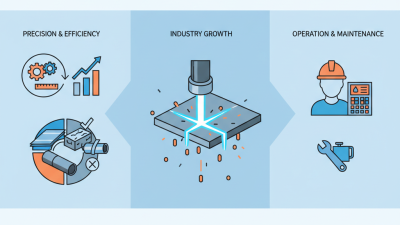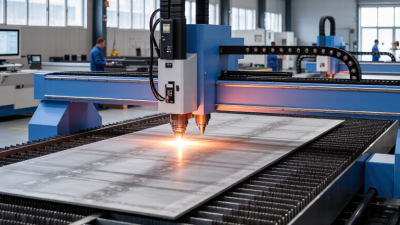
Choosing the 2026 best shape cutting machine requires more than comparing prices and advertised cutting speeds. Global buyers need equipment that matches their materials, production volume, workshop space, and local power supply. A machine designed for thin foam may struggle with dense rubber, laminated board, leather, or composite sheets. The right decision begins with real production requirements.
In practical evaluations, buyers should inspect cutting accuracy, blade control, software compatibility, safety features, and maintenance access. A reliable shape cutting machine should produce clean edges across repeated jobs, not only during a showroom demonstration. Ask suppliers for sample cuts using your own materials. Check the results under normal production conditions. Small details matter, including table stability, dust control, noise levels, and emergency-stop placement.
Supplier credibility also deserves close attention. Confirm technical documents, warranty terms, spare-parts availability, operator training, and after-sales response times. Regional voltage support and shipping arrangements can affect the total investment significantly. Compliance requirements may differ between countries, so independent verification remains important. No single machine suits every global buyer. That is easy to overlook.
This guide compares practical machine categories and selection factors for 2026. It considers performance, operating costs, reliability, and long-term support rather than marketing claims alone. Some conclusions may change as technologies improve. That uncertainty deserves honesty. Buyers should test carefully, record measurable results, and involve the operators who will use the equipment daily. A confident purchase is based on evidence, not impressive brochures.
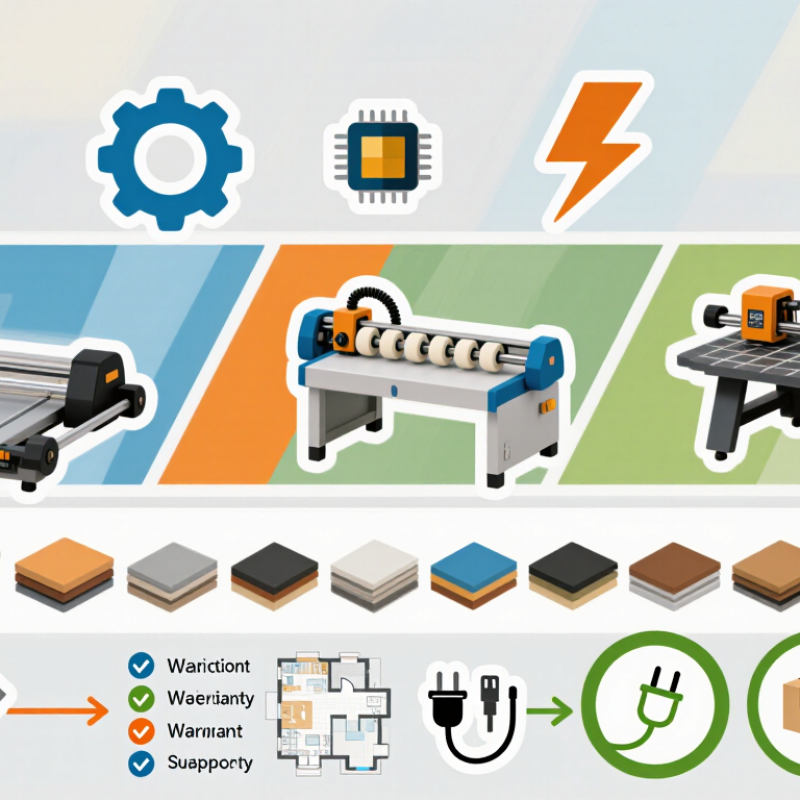
A shape cutting machine converts digital drawings into physical outlines. It may use a blade, router, laser, or waterjet, depending on the material and required accuracy. The controller reads vector paths, sets movement speed, and guides a cutting head along each line. Sensors can detect material position and reduce alignment errors. The result is repeatable cutting for signs, packaging, textiles, gaskets, foam, and sheet materials.
Before cutting, an operator prepares a clean file with closed paths and correct dimensions. The material is secured on a flat bed or supported table. A test cut checks edge quality, pressure, focus, and depth. This small step matters. Thin film may suit a drag knife, while dense boards can require a router or another process. Heat-sensitive materials need special care because burning, melting, or discoloration may occur. Dust extraction and protective guarding also deserve attention.
Machine selection should follow the material, daily volume, tolerances, and maintenance support. A fast machine is not automatically the best machine. Poor dust removal, blunt tools, or unstable software can spoil a precise design. Global buyers should confirm electrical requirements, ventilation needs, safety documents, training, and service response times. Ask for sample cuts and measured tolerances. Impressive speed figures may exclude loading, tool changes, and finishing. Real production is messier. That comparison often reveals the more reliable investment.
2026 Best Shape Cutting Machine for Global Buyers
The right shape cutting machine depends on the material, thickness, accuracy, and production volume. Laser cutters suit acrylic, plywood, paper, fabric, and thin metal sheets. They produce precise contours and smooth edges, but heat can discolor wood or melt plastics. Heat matters.
Plasma cutters work well on thicker steel and other conductive metals. They offer fast production, although their edges may need light finishing. Waterjet machines handle stone, glass, rubber, composites, and heat-sensitive materials. Their cold cutting process reduces thermal distortion. CNC routers are practical for wood, foam, plastics, aluminum, and sign-making boards. They need suitable bits and effective chip removal.
Knife cutting systems fit textiles, leather, insulation, gaskets, corrugated board, and flexible films. An oscillating blade can follow detailed patterns without burning the surface. Die cutters remain efficient for large batches with repeated shapes. They are less flexible when designs change often. Match the machine with the required tolerance, sheet size, and daily workload. Test real samples before purchase. Test first.
In practical evaluations, operators often focus on cutting speed and overlook dust control, software learning time, and replacement tooling. That mistake can increase operating costs. Check electrical standards, safety features, training support, and maintenance access for your destination. A perfect machine on paper may perform poorly with inconsistent material. Repeated sample testing gives more reliable results than catalogue specifications alone.
The chart compares representative upper material-thickness capabilities in millimeters for common industrial cutting technologies. Actual results depend on machine power, nozzle or tool configuration, material grade, cutting speed, and edge-quality requirements. Waterjet systems provide the broadest material coverage, while laser, plasma, and CNC routing are selected according to the material and production task.
2026 Best Shape Cutting Machine for Global Buyers
Essential Features to Compare Before Making a Purchase
Choosing a shape cutting machine starts with the material, not the sales brochure. Measure your usual sheet size, thickness, hardness, and daily workload. A narrow working bed may waste material and create extra repositioning. Check cutting accuracy under real production conditions. Ask for test samples using your own files and materials. Tiny edges matter. Inspect holes, corners, curves, and heat marks closely.
Control software deserves equal attention. It should import common drawing formats and allow quick adjustments without complicated steps. Confirm whether operators can learn the interface within a few working days. I once underestimated software training, and production slowed more than expected. That mistake still affects my purchasing checklist. Ask about compatible operating systems, updates, file security, and offline operation. Reliable machines should also record alarms and maintenance history.
Safety cannot be treated as an optional feature. Look for guarded moving parts, emergency stops, ventilation guidance, and clear operating instructions. Electrical requirements vary between countries, so verify voltage, frequency, grounding, and local certification needs before ordering. Check cutting speed beside power consumption, not alone. A fast machine may become expensive when blades, filters, or consumables wear quickly. Request a full spare-parts list and realistic service response times. Remote support sounds useful, but local technical access can prevent several idle days. Also compare warranty coverage, installation training, packaging quality, and shipping responsibilities. Specifications can impress, yet practical support often decides whether the machine earns its place on the factory floor.
The best shape cutting machine depends on your material, order volume, and local production habits. A machine for thin foam may fail on dense rubber or layered fabric. Check cutting thickness, table size, speed, edge quality, and permitted material types. Ask for sample cuts using your own materials. A clean demo sample is useful, but it does not replace a factory trial.
Your market also determines power requirements, safety features, operator training, and service access. Confirm voltage compatibility and available technical support before purchasing. Review maintenance schedules, spare-part delivery times, and software language options. A lower purchase price can become expensive when downtime affects urgent orders. Buyers should compare total operating cost, not only the machine quotation.
Tips: Test the smallest and largest expected shapes. Measure cutting accuracy after repeated cycles. Request clear safety documentation. Check whether local technicians can perform routine maintenance. Avoid choosing only by advertised speed. Real production is often slower, especially with complex patterns. I would leave some capacity unused, because growth is easy to underestimate. A perfect specification sheet is not enough.
For global buyers, a shape cutting machine should be judged by safe operation over many years, not only cutting speed. Guards must cover moving parts, workholding areas, and cutting zones. Emergency stops should remain visible and reachable from the operator’s normal position. OSHA’s Control of Hazardous Energy guidance states that effective lockout/tagout procedures can prevent about 120 deaths and 50,000 injuries each year in the United States. Operators need documented isolation steps before cleaning, blade changes, or internal adjustments.
Maintenance quality directly affects safety and output. EU-OSHA reports that maintenance activities are associated with approximately 15–20% of workplace accidents in some European analyses. Inspect cables, extraction ducts, bearings, belts, and fasteners during scheduled checks. Remove dust before it reaches sensors or ventilation paths. Small faults matter. Lubricants, filters, and cutting tools should match the machine’s technical documentation, while replacement parts should remain available in the buyer’s region. Keep records. Digital logs can reveal repeated overheating, vibration, or alignment drift before a major failure occurs.
Long-term buyers should confirm electrical compatibility, grounding requirements, noise controls, training materials, and local service capability. ISO 12100 recommends risk assessment and risk reduction throughout a machine’s lifecycle, not only during installation. A low purchase price can hide expensive downtime. I would also question optimistic maintenance intervals; real workloads, abrasive materials, and dusty workshops often demand shorter checks. A checklist can still be ignored. Supervisors should review it, sign it, and observe actual operator behavior.
| Machine Type | Best Application | Typical Materials | Typical Working Thickness | Typical Positioning Accuracy | Typical Cutting Speed | Main Safety Requirements | Routine Maintenance | Common Consumables | Long-Term Operating Considerations | Global-Buyer Suitability | Overall Fit Score (1–5) |
|---|---|---|---|---|---|---|---|---|---|---|---|
| CO₂ Laser Cutter | Intricate profiles, signage, packaging, acrylic products, and non-metal sheet work | Acrylic, wood, plywood, MDF, paper, cardboard, leather, textiles, and selected plastics | Approximately 0.5–25 mm, depending on material and laser power | Approximately ±0.05–0.10 mm on properly maintained equipment | Approximately 300–1,500 mm/s for selected materials and non-cutting movements | Enclosed beam path, interlocked doors, exhaust extraction, fire detection, approved electrical protection, and strict material compatibility checks | Clean optics and mirrors regularly; inspect lenses, exhaust ducts, belts, rails, and cooling system; verify beam alignment | Nozzles, lenses, mirrors, filters, air-assist components, and cooling-system parts | Requires reliable extraction, clean cooling water or a chiller, compatible voltage, and careful control of smoke and fire risk | Good for buyers with stable electricity, ventilation capability, and trained operators | 4.5 |
| Fiber Laser Cutter | High-volume profiling of sheet metal and thin metal components | Mild steel, stainless steel, aluminum, brass, copper, and galvanized sheet | Approximately 0.5–30 mm, depending on laser power, material, and process settings | Approximately ±0.03–0.08 mm on industrial systems under controlled conditions | Approximately 10–40 m/min cutting speed for selected thin-sheet applications | Class 1 enclosed design, interlocked access, fume extraction, reflective-material controls, laser safety procedures, and electrical guarding | Inspect protective windows, nozzles, ceramic rings, rails, filters, assist-gas lines, and cooling system; maintain gas purity and pressure | Protective windows, nozzles, ceramic rings, filters, assist gases, and cutting lenses where applicable | High productivity but higher purchase, power, gas, extraction, and operator-training requirements; needs strong service support | Best for established metalworking operations with adequate three-phase power and industrial ventilation | 4.7 |
| CNC Router | Large-format cutting, engraving, nesting, and 2D/3D shaping | Wood, MDF, plywood, plastics, foam, composites, and some non-ferrous materials | Approximately 1–100 mm, depending on spindle power, tooling, and workholding | Approximately ±0.05–0.20 mm for standard industrial configurations | Approximately 5–25 m/min, depending on material, cutter, depth, and machine rigidity | Guarding around the spindle, emergency stop, dust extraction, secure workholding, tool-change safety, and hearing and eye protection | Clean and lubricate linear motion parts; inspect spindle bearings, collets, vacuum table, belts, screws, and dust extraction | Router bits, end mills, collets, vacuum filters, brushes, belts, and spindle bearings over time | Flexible and repairable, but cutting quality depends heavily on tool selection, dust control, calibration, and spindle maintenance | Very suitable where versatile material processing and local tooling availability are important | 4.6 |
| Waterjet Cutter | Cold cutting of thick, heat-sensitive, reflective, or difficult materials | Steel, stainless steel, aluminum, stone, glass, ceramics, rubber, composites, and laminates | Approximately 1–150 mm; specialized systems can process thicker sections | Approximately ±0.05–0.15 mm, depending on machine, material, taper compensation, and process settings | Approximately 50–500 mm/min for many production cuts, varying substantially by thickness and quality requirement | Full splash guarding, high-pressure system protection, abrasive handling controls, noise reduction, drainage, and operator exclusion zones | Check pump oil, seals, high-pressure tubing, abrasive delivery, filters, catch tank, cutting head, and water quality | Abrasive garnet, orifice, focusing tube, seals, filters, pump components, and high-pressure tubing | Excellent for heat-sensitive materials, but water treatment, drainage, abrasive disposal, noise, and pump costs affect total ownership cost | Suitable for facilities with dependable water management, drainage, maintenance skills, and abrasive supply | 4.2 |
| Oscillating Knife Cutter | Fast, clean cutting of flexible sheets, textiles, packaging, and soft technical materials | Foam, rubber, felt, textiles, leather, gasket materials, corrugated board, honeycomb board, and films | Approximately 1–50 mm, depending on blade type and material compression | Approximately ±0.10–0.30 mm for common industrial applications | Approximately 500–1,500 mm/s for suitable materials and toolpaths | Blade guarding, emergency stop, safe tool-change procedures, vacuum hold-down protection, and material-specific dust controls | Replace or sharpen blades; clean the cutting surface; inspect vacuum zones, belts, bearings, sensors, and tool holder | Oscillating blades, drag knives, creasing wheels, vacuum filters, cutting mats, and tool-holder parts | Generally lower environmental and utility burden than thermal or abrasive cutting; blade selection strongly affects quality and cost | Highly suitable for small and medium operations needing clean, low-heat cutting and quick product changeovers | 4.4 |
| Flatbed Die Cutter | Repeated high-volume shapes in packaging, labels, gaskets, and sheet products | Paperboard, corrugated board, foam, leather, felt, gasket sheet, and thin plastics | Approximately 0.2–10 mm, depending on press force and material construction | Approximately ±0.10–0.30 mm with stable tooling and registration control | Approximately 20–80 cycles/min, depending on format, material, and automation level | Fixed guarding, two-hand controls or approved safety control systems, die-area interlocks, emergency stops, and lockout procedures | Lubricate moving parts; inspect platen parallelism, die mounting, sensors, clutches, guards, and pressure settings | Custom cutting dies, rule steel, stripping components, cutting mats, lubricants, and pneumatic or hydraulic seals | Very economical at high volumes, but tooling cost, storage, changeover time, and die wear must be included in lifecycle calculations | Best when product shapes are stable and order volumes justify dedicated tooling | 4.1 |
| Selection note: Scores are comparative planning indicators rather than laboratory ratings. Actual performance depends on material, thickness, machine configuration, tooling, operator skill, power quality, ventilation, water management, and preventive-maintenance practices. Buyers should verify conformity with applicable local requirements and internationally recognized safety principles such as ISO 12100, IEC 60204-1, and ISO 13849-1 before purchase and installation. | |||||||||||